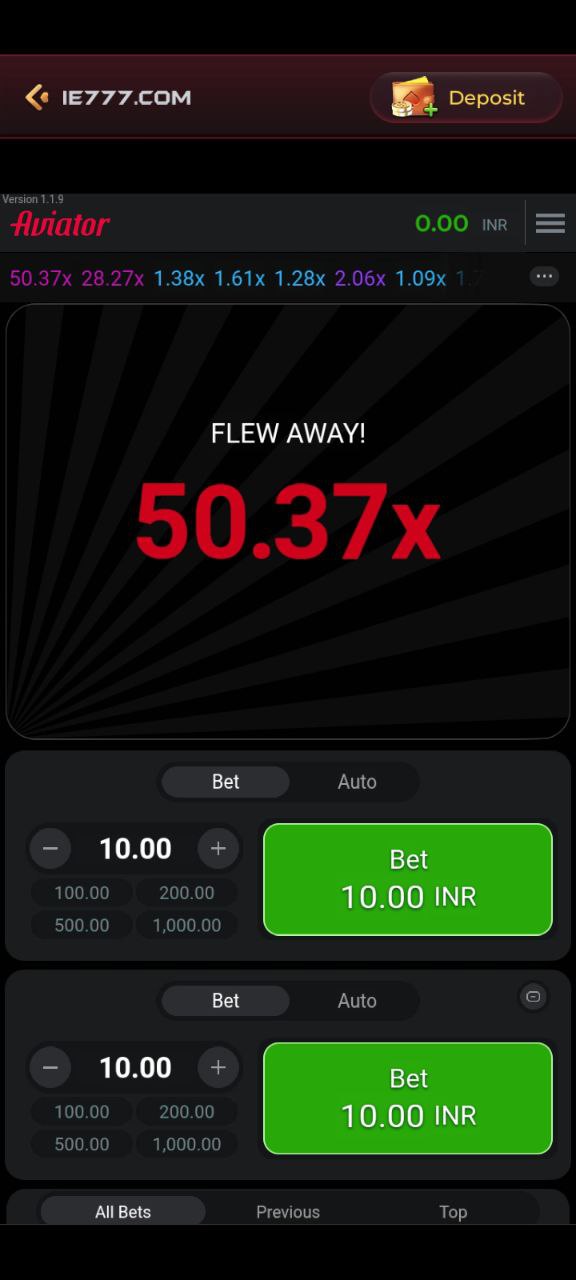
IE777 Game has gained popularity among online gaming enthusiasts by offering a platform that combines ease of use, reliable performance, and engaging entertainment features.
IE777 brings its game list, profile and account controls into an Android interface designed for a phone screen. Before looking at the catalogue, check the package you plan to install and the requirements it lists. Spare storage, available memory and a reliable connection all affect the experience after setup.
A newer app build may address faults found in an earlier one, but the version number is only part of the story. Read the change notes and compare the requirements with your actual phone. The same release can behave differently on devices with different Android versions or memory limits.
Images included with the listing
The screens below provide a visual reference for the app. Use the installed version for current menus and account information if an update has changed the layout.
Finding the main controls
The dashboard is intended to keep routine account information and game navigation within easy reach. On a first visit, locate the profile, lobby and routes back to the home screen. Clear labels matter when they help you understand an action before taking it.
Do not judge responsiveness solely by how quickly the app opens. Moving between pages, loading account information and returning from a game can reveal different delays. Closing unused apps can free memory on an older phone, while a weak connection can affect screens that load service data.
The IE777 app listing is a reference for the download and its advertised functions. Check its current information against the package and live interface rather than treating every older description as a promise about the release you have.
Requirements to review before setup
Device detail
Requirement shown here
Android version
6.0 or later
Memory
2 GB RAM or more
Free storage
150 MB
Processor
Quad-core or better
Network
A stable internet connection
Compare these figures with the requirements of the file currently offered. A broad statement about support for recent Android phones does not establish compatibility with every device. Leave room for normal use as well as installation, and do not assume that closing background apps can fix an unsupported operating system.
Keep the Android version and the app version distinct when making that comparison. One describes the operating system on the phone; the other identifies the application build. A recent APK does not itself update Android. If a requirement concerns the operating system, check that detail in the phone’s settings rather than looking only at the version printed on the download page.
Saving and installing the APK
Open an identified download source and read the package information.
Save the APK, allowing the entire transfer to finish.
Locate it in Downloads and compare the file with the listing.
Run Android’s security check if it is available.
Open the package and review the install prompt, including any request concerning the browser or file manager.
Wait for Android’s completion message before launching the app.
Temporary permission to install from a source should remain limited to this setup. Restore the previous setting when finished. If the device’s security check will not clear the download, discard that file rather than forcing it through the warning.
After successful installation, the icon should appear in the app list or on the home screen. A file that cannot be read is not made usable by tapping it repeatedly. Check the transfer and compatibility before deciding whether another download is needed.
Creating a profile
New users start from the sign-up section. The form may ask for a mobile number, username and password, with a referral code where one is available. Read the fields before submitting, then complete the requested verification through the app.
Keep the one-time message private. Choose a password that is separate from email, banking and other accounts. Registration is the route to a profile; it should not become a reason to share credentials with somebody offering to complete the process for you.
Returning through the login screen
Existing users can enter their registered mobile number or username and password, select Login and allow the dashboard to load. Confirm the address or installed app before typing the credentials. The saved profile and settings should be reached through that intended account route.
If access fails, check the entered details and connection before trying again. Use the official recovery option when the password has been forgotten. A verification code belongs in the recovery flow you opened, not in a separate conversation with someone asking for it.
Work through problems in order
A failed installer, a crash and a login error are different symptoms. Note which stage failed before changing settings. The site’s app directory can help you return to the intended listing if you need to compare package details.
Installation does not start: inspect the source-permission prompt, free space and supported Android version.
A parse error appears: check for an incomplete or damaged package and confirm that the build is compatible.
The running app crashes: restart the device and review whether Android or app updates address the issue.
Sign-in fails: verify the username, password and internet connection, then use recovery when necessary.
Change one relevant condition at a time. That makes it easier to tell whether the problem was the file, the device or access to the service. Do not remove a functioning installation before the identity of its proposed replacement is clear.
Choosing an update
Release notes may describe bug fixes, security work, loading improvements or changes to the interface. Check which of those changes the available build actually includes. A general list of possible benefits is not proof that a particular update resolves your problem.
Return to the same identified source, compare the installed version and inspect the replacement package. Keep Android current as well, while recognising that an updated phone cannot guarantee every app action will complete without delay.
Do not automatically uninstall before an update. First confirm the package name and review the normal update instructions. Keeping a working build until compatibility is understood avoids turning a routine change into an unnecessary fresh setup.
Checking the result, not the slogan
After setup or an update, spend a little time with ordinary navigation and account access. Reliable page changes and understandable controls are more useful evidence than a promise of effortless performance. Keep credentials private and review new permission requests on their own merits.
You can browse the other Android listings or read the separate IX7 Game guide. Each package needs its own source and compatibility checks; a similar layout does not make two apps interchangeable.